

Powered by

Completion
CERTIFICATE
Mediterranean Sustainable Food Systems
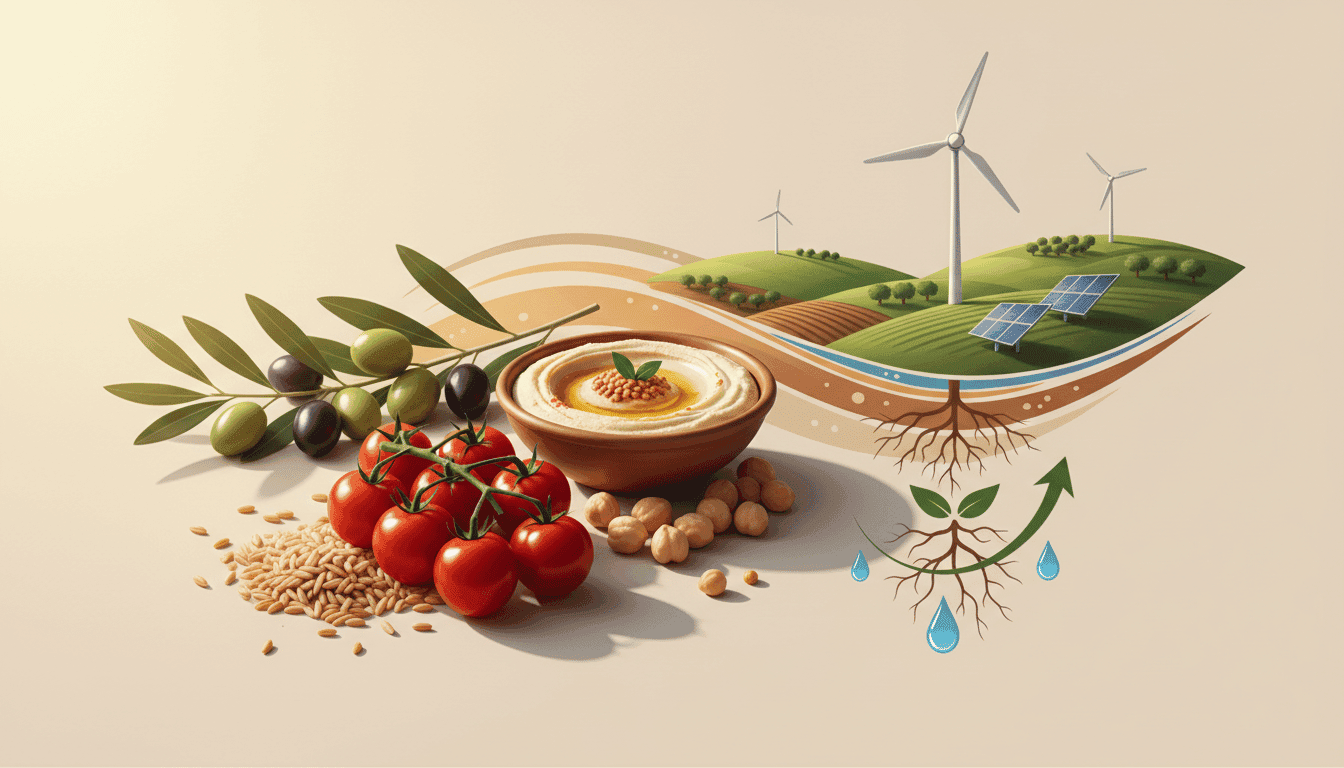
Learn about sustainable food production and management in the Mediterranean region, exploring agricultural challenges and solutions for better food systems.
Course Cost
₹ 5,902
Intermediate
Skill Level
10 Weeks
Self-paced lessons
This comprehensive course examines sustainable food systems through a Mediterranean lens, addressing critical challenges in agriculture and food production. Students explore the intricate relationship between agriculture, culture, and sustainability in the Mediterranean basin. The curriculum covers diverse topics including sustainable farming practices, water resource management, food value chains, and the renowned Mediterranean diet. Through case studies and expert insights, participants learn about rural development, fisheries management, food waste reduction, and emerging professional opportunities. The course emphasizes practical solutions for achieving Sustainable Development Goals while preserving traditional agricultural practices and promoting innovation in the food sector.

9,761 Enrolled
English
What you'll learn
Analyze food value chains from production to consumption
Understand sustainable farming practices in Mediterranean contexts
Evaluate water resource management strategies
Explore fisheries and aquaculture management
Implement food waste reduction techniques
Develop solutions for rural economic development
Identify emerging opportunities in sustainable food systems
Skills you'll gain
This course includes:
PreRecorded video
Graded assignments, Exams
Access on Mobile, Tablet, Desktop
Limited Access access
Shareable certificate
Closed caption
Get a Completion Certificate
Share your certificate with prospective employers and your professional network on LinkedIn.
CREATED BY
PROVIDED BY

Get a Completion Certificate
Share your certificate with prospective employers and your professional network on LinkedIn.
CREATED BY
PROVIDED BY
Top companies offer this course to their employees
Top companies provide this course to enhance their employees' skills, ensuring they excel in handling complex projects and drive organizational success.





There are 10 modules in this course
This course provides a comprehensive exploration of sustainable food systems in the Mediterranean region. It addresses key challenges including agricultural sustainability, water scarcity, food waste, and nutrition. The curriculum examines traditional practices, modern innovations, and policy frameworks affecting Mediterranean agriculture. Topics covered include the Mediterranean diet, rural development, fisheries management, food value chains, and emerging professional opportunities in sustainable agriculture. Special attention is given to achieving Sustainable Development Goals while balancing tradition with innovation.
The Mediterranean challenges around food and agriculture
Module 1
History of agriculture in Mediterranean basin and Mediterranean Diet
Module 2
Poverty alleviation, economic and social rural development
Module 3
Fisheries and aquaculture
Module 4
How to achieve the SDGs in the Mediterranean: Water resources and fisheries management
Module 5
How to achieve the SDGs in the Mediterranean: Sustainable farming systems under environmental and climatic constraints
Module 6
How to achieve the SDGs in the Mediterranean: Food value chain for regional and local development
Module 7
How to achieve the SDGs in the Mediterranean: Reducing food waste and enhancing by-product innovations
Module 8
How to achieve the SDGs in the Mediterranean: Nutrition and education
Module 9
New professional profiles in a Mediterranean context
Module 10
Fee Structure
Reviews
Testimonials and success stories are a testament to the quality of this program and its impact on your career and learning journey. Be the first to help others make an informed decision by sharing your review of the course.
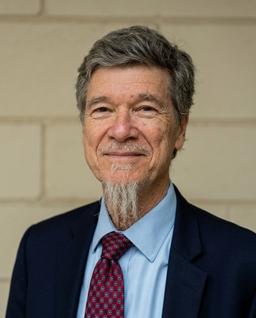
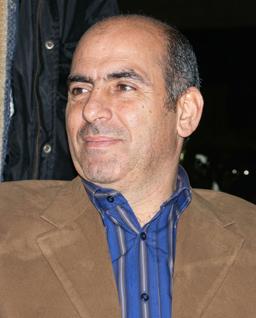
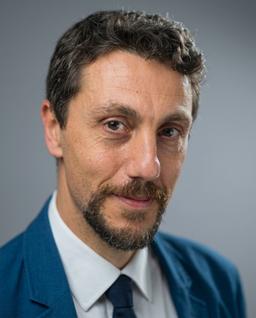
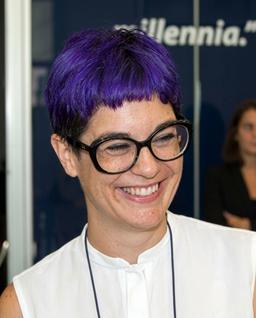
Faculties
These are the expert instructors who will be teaching you throughout the course. With a wealth of knowledge and real-world experience, they're here to guide, inspire, and support you every step of the way. Get to know the people who will help you reach your learning goals and make the most of your journey.
19
Courses
1
Course
1
Course
1
Course

1
Course

Frequently asked Questions
Below are some of the most commonly asked questions about this course. We aim to provide clear and concise answers to help you better understand the course content, structure, and any other relevant information. If you have any additional questions or if your question is not listed here, please don't hesitate to reach out to our support team for further assistance.