


Powered by


Completion
CERTIFICATE
Poetic Form and Practical Function of Manuscript Stroke
This course is part of Paleografía y caligrafía de manuscritos hispánicos..
Course Cost
₹ 3,378
Advanced
Skill Level
6 Weeks
Self-paced lessons
This advanced course explores how handwriting derived from administrative, economic, or legal functions in six historical contexts generates expressive forms that define writing systems. Throughout all examples, the application of the stroke cannot be understood without its morphological, poetic, or aesthetic dimension. The study of handwriting in each historical situation is approached as an integration of forms and functions. The curriculum examines the expressiveness of the stroke, the cultural representation of handwriting since medieval times, and its connection with music, alongside the analysis of manuscript texts. Students will develop transcription skills for medieval and modern examples by studying the morphological characteristics of writing cycles associated with book and document production in the Hispanic kingdoms. The course is structured around two central axes: the function and form of writing. In parallel, the calligraphic reproduction of graphemes and their corresponding allographs enables a deep immersion into the pure act of writing, enhancing final performance with a creative, artistic, and gesturally inspiring dimension. Modules explore scientific writing in exploration journals, legal manuscripts, ephemeral written culture including palimpsests and marginalia, musical notation, literary creation, and the presence of handwriting in pictorial works. Through this multifaceted approach, students gain both technical paleographic skills and artistic appreciation for the expressive potential of historical writing systems.
What you'll learn
Connect historical paleographic competencies with creative calligraphy Understand the historical context of manuscript text production across different periods Identify letter types used in each era and their distinctive characteristics Analyze and comprehend the material composition of manuscripts Apply observation technologies and detailed capture methods to manuscript study Integrate paleographic and calligraphic capabilities for enhanced manuscript understanding Solve complex manuscript transcription cases with specialized techniques Study handwritten communication and its pictorial, literary, and expressive representation
Skills you'll gain
This course includes:
PreRecorded video
Graded assignments, exams
Access on Mobile, Tablet, Desktop
Limited Access access
Shareable certificate
Closed caption
Get a Completion Certificate
Share your certificate with prospective employers and your professional network on LinkedIn.
CREATED BY
PROVIDED BY

Get a Completion Certificate
Share your certificate with prospective employers and your professional network on LinkedIn.
CREATED BY
PROVIDED BY
Top companies offer this course to their employees
Top companies provide this course to enhance their employees' skills, ensuring they excel in handling complex projects and drive organizational success.





There are 6 modules in this course
This advanced course explores the dual nature of handwritten texts in historical contexts, examining both their practical functions and aesthetic dimensions. The curriculum is organized into six thematic modules that investigate different aspects of manuscript culture. The first module focuses on scientific writing, exploring the paleography and calligraphy of empirical knowledge, including natural sciences documentation, travel diaries, and exploration reports. The second module examines legal manuscripts, studying constitutions, laws, and legal ordinances through the paleographic and calligraphic analysis of charters, observances, and municipal privileges from medieval times. The third module investigates ephemeral written culture, including palimpsests, fragments, and marginalia in documents and books, with attention to the material composition of volumes, codices, and registers, incorporating technological applications like multispectral photography. The fourth module explores music writing, examining manuscript musical notations in medieval and modern codices, and the collaborative research between paleography and musicology. The fifth module connects calligraphy with literary creation, studying the paleography of literary works since the Middle Ages and exploring visual poetry through contemporary calligraphic techniques. The final module investigates the relationship between calligraphy and painting, analyzing inscriptions, cartouches, phylacteries, and handwritten messages in medieval and modern paintings, exploring manuscript elements as visual and scenographic resources.
La exploración del trazo. La ciencia escrita
Module 1
Política escrita: Escribiendo la ley
Module 2
Cultura escrita efímera
Module 3
Escribiendo música
Module 4
Caligrafía y creación literaria
Module 5
Caligrafía y pintura
Module 6
Fee Structure
Individual course purchase is not available - to enroll in this course with a certificate, you need to purchase the complete Professional Certificate Course. For enrollment and detailed fee structure, visit the following: Paleografía y caligrafía de manuscritos hispánicos.
Payment options
Financial Aid
Reviews
Testimonials and success stories are a testament to the quality of this program and its impact on your career and learning journey. Be the first to help others make an informed decision by sharing your review of the course.
Faculties
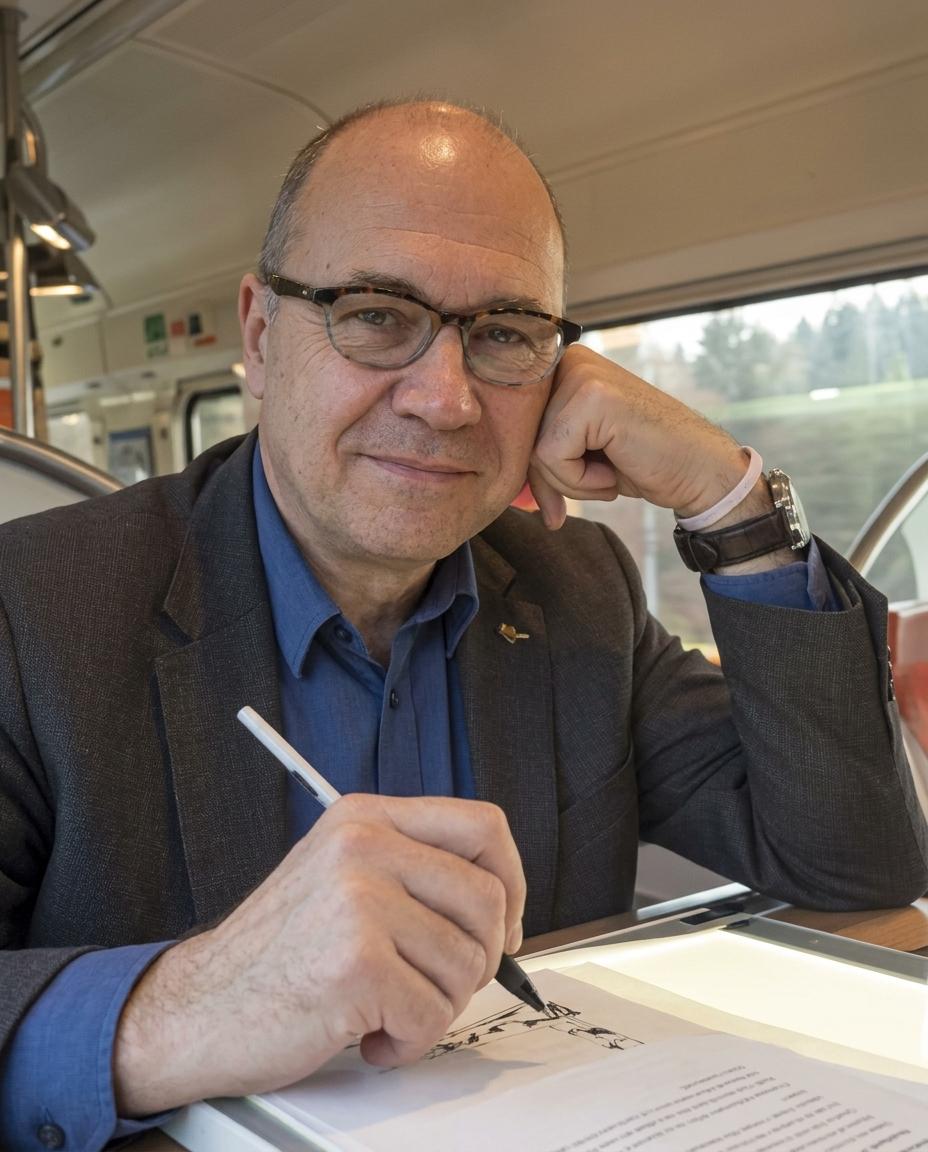
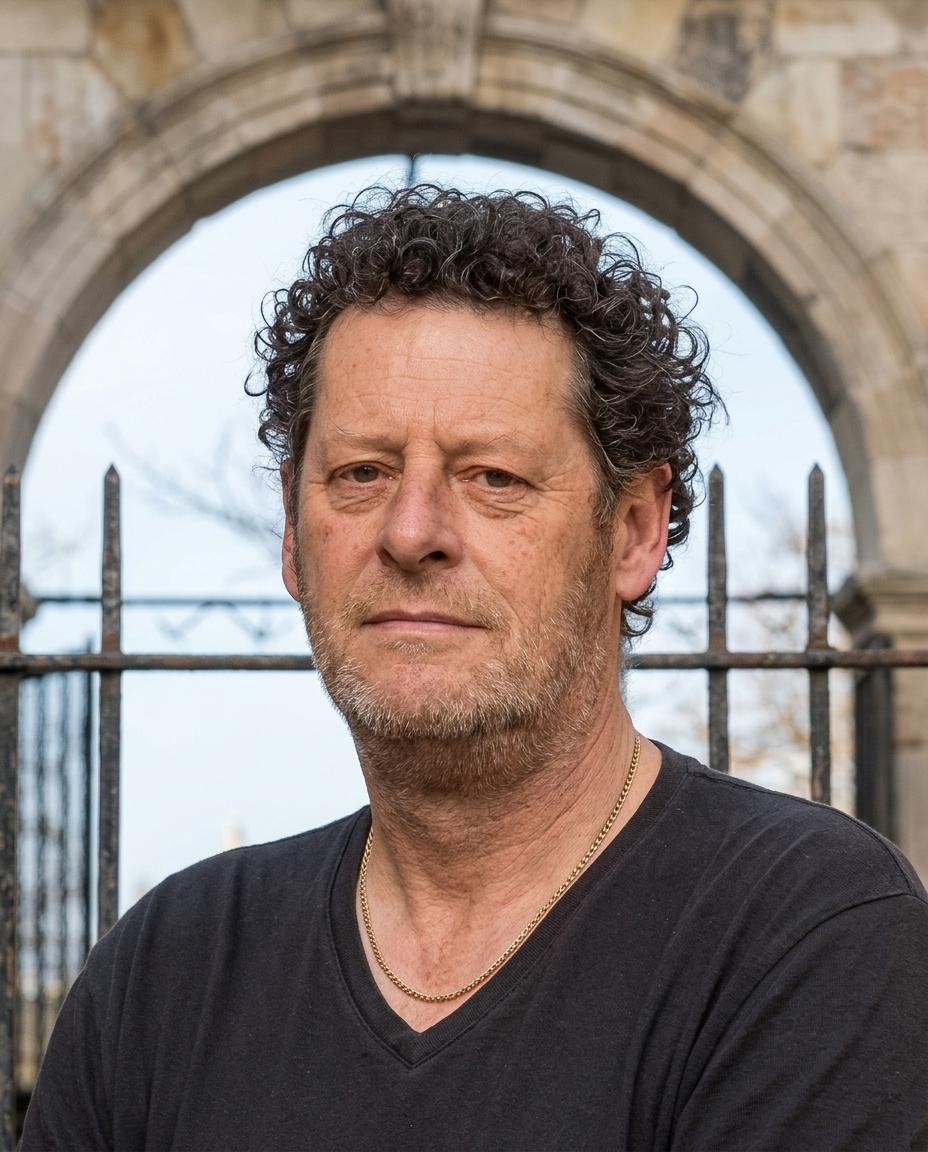
These are the expert instructors who will be teaching you throughout the course. With a wealth of knowledge and real-world experience, they're here to guide, inspire, and support you every step of the way. Get to know the people who will help you reach your learning goals and make the most of your journey.


5
Courses

5
Courses

Frequently asked Questions
Below are some of the most commonly asked questions about this course. We aim to provide clear and concise answers to help you better understand the course content, structure, and any other relevant information. If you have any additional questions or if your question is not listed here, please don't hesitate to reach out to our support team for further assistance.