

Powered by


Completion
CERTIFICATE
Islamic Bioethics
Examine Islamic ethical principles applied to modern biomedical challenges, covering genetic research, organ donation, and reproductive technologies.
Course Cost
₹ 10,100
Beginner
Skill Level
10 Weeks
Self-paced lessons
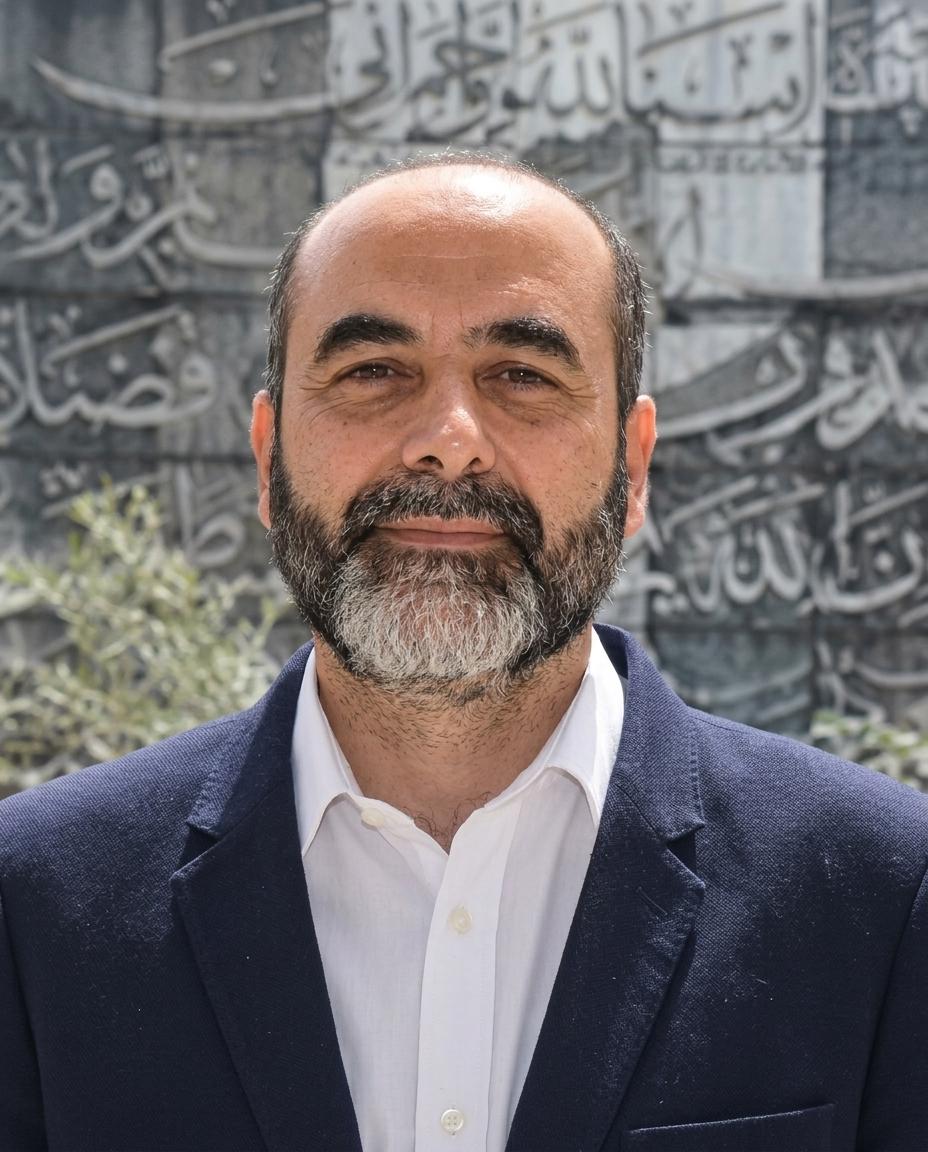
This comprehensive course offers an in-depth introduction to Islamic Bioethics, examining how Islamic moral traditions engage with complex ethical questions arising from cutting-edge biomedical advancements. Led by Dr. Mohammed Ghaly, a leading scholar in Islamic Ethics, the course explores a wide range of bioethical issues including the beginning and end of human life, abortion, assisted reproductive technologies, palliative care, organ donation, and ethical responses to pandemics. Participants will gain insights into the diverse perspectives within Islamic bioethical discourse, understand how mainstream positions are developed, and explore the interactions between Islamic bioethics and other ethical traditions. The course is designed to provide a nuanced understanding of the field, emphasizing well-argued insights rather than simplistic answers.

English
What you'll learn
Analyze the relationship between Islamic ethics and modern biomedical advancements
Examine classical and contemporary approaches to Islamic bioethics
Evaluate Islamic perspectives on the beginning and end of human life
Assess Islamic ethical considerations in assisted reproductive technologies
Explore Islamic viewpoints on organ donation and transplantation
Analyze Islamic approaches to end-of-life care and euthanasia
Investigate Islamic ethical responses to pandemics, including COVID-19
Compare Islamic bioethical positions with other ethical traditions
Skills you'll gain
This course includes:
PreRecorded video
Graded assignments, exams
Access on Mobile, Tablet, Desktop
Limited Access access
Shareable certificate
Closed caption
Get a Completion Certificate
Share your certificate with prospective employers and your professional network on LinkedIn.
CREATED BY
PROVIDED BY

Get a Completion Certificate
Share your certificate with prospective employers and your professional network on LinkedIn.
CREATED BY
PROVIDED BY
Top companies offer this course to their employees
Top companies provide this course to enhance their employees' skills, ensuring they excel in handling complex projects and drive organizational success.





There are 9 modules in this course
This course provides a comprehensive overview of Islamic Bioethics, exploring how Islamic moral traditions engage with contemporary biomedical challenges. The curriculum covers both classical and contemporary Islamic bioethics, addressing key issues such as the beginning and end of human life, assisted reproductive technologies, human milk banks, brain death, organ donation, end-of-life care, and pandemic ethics. Throughout the course, students will examine the methodological aspects of Islamic bioethics, understanding how diverse perspectives are deliberated and how mainstream positions are developed. The course emphasizes the complex nature of bioethical issues, encouraging students to understand well-argued insights rather than seeking simple answers. Participants will gain insights into how Islamic bioethical positions are formed, defended, and reconciled with both religious texts and modern biomedical sciences.
Classical Islamic Bioethics
Module 1
Contemporary Islamic Bioethics
Module 2
The Beginning of Human Life
Module 3
Beginning of Human Life - Assisted Reproductive Technologies (ART)
Module 4
Beginning of Human Life - Human Milk Banks
Module 5
End of Life and the Concept of Brain Death - When Does Human Life End?
Module 6
Organ Donation
Module 7
End-of-Life Care (EoLC): Life-Sustaining Treatments (LSTs) and Euthanasia
Module 8
Ethics of Pandemics and Covid-19
Module 9
Fee Structure
Reviews
Testimonials and success stories are a testament to the quality of this program and its impact on your career and learning journey. Be the first to help others make an informed decision by sharing your review of the course.
Faculties
These are the expert instructors who will be teaching you throughout the course. With a wealth of knowledge and real-world experience, they're here to guide, inspire, and support you every step of the way. Get to know the people who will help you reach your learning goals and make the most of your journey.
1
Course

Frequently asked Questions
Below are some of the most commonly asked questions about this course. We aim to provide clear and concise answers to help you better understand the course content, structure, and any other relevant information. If you have any additional questions or if your question is not listed here, please don't hesitate to reach out to our support team for further assistance.