

Powered by


Completion
CERTIFICATE
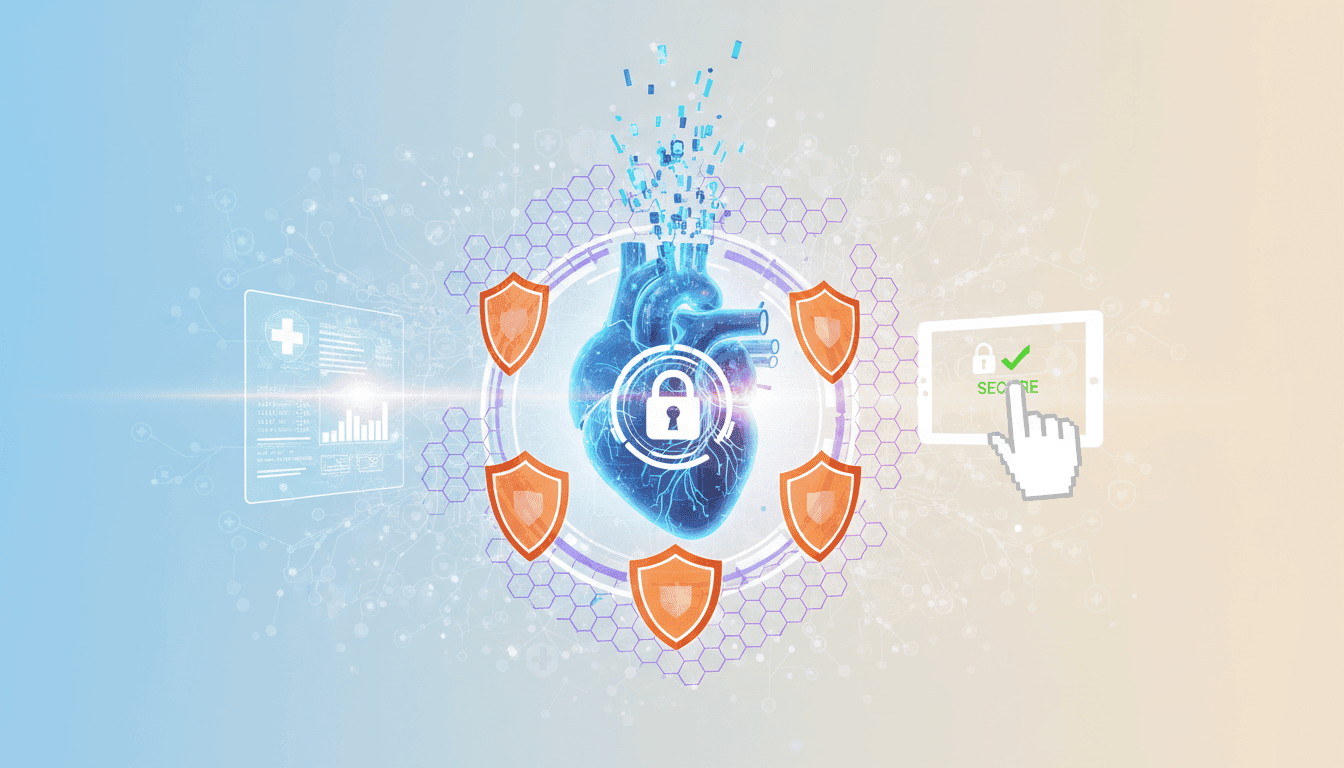
Cybersecurity in Healthcare: Protecting Patient Data
Learn to safeguard patient data and medical systems in healthcare organizations. Master cybersecurity practices for hospitals and care centers.
Course Cost
₹ 2,699
Beginner
Skill Level
13 Hours
Self-paced lessons
This course on Cybersecurity in Healthcare provides essential knowledge for protecting patient data and medical systems in hospitals, clinics, and care centers. Developed as part of the SecureHospitals.eu project, it covers both theoretical and practical aspects of cybersecurity in healthcare settings. The course explores the opportunities and challenges created by healthcare digitalization, the proliferation of medical data, and the resulting cybersecurity risks. Participants will learn about internal and external threats, including social engineering and hacking, and gain practical skills in improving cybersecurity measures. The curriculum emphasizes the importance of cyber hygiene practices and building a positive cybersecurity culture within healthcare organizations. This course is valuable for healthcare professionals, IT staff, and anyone interested in understanding the critical role of cybersecurity in protecting sensitive medical information and ensuring the continuity of healthcare services.



19,236 Enrolled
English
What you'll learn
Understand the role of digitalization and cybersecurity in healthcare
Identify opportunities and threats in the healthcare sector due to digitalization
Learn methods to improve and maintain cybersecurity in healthcare settings
Explore the interaction between technology and human behavior in cybersecurity
Discover the importance of a positive cybersecurity culture in healthcare organizations
Gain practical skills in implementing cyber hygiene practices
Understand the impact of regulations like GDPR on healthcare cybersecurity
Learn to recognize and prevent social engineering attacks in healthcare contexts
Skills you'll gain
This course includes:
1.75 Hours PreRecorded video
14 quizzes
Access on Mobile, Tablet, Desktop
FullTime access
Shareable certificate
Closed caption
Get a Completion Certificate
Share your certificate with prospective employers and your professional network on LinkedIn.
CREATED BY
PROVIDED BY

Get a Completion Certificate
Share your certificate with prospective employers and your professional network on LinkedIn.
CREATED BY
PROVIDED BY
Top companies offer this course to their employees
Top companies provide this course to enhance their employees' skills, ensuring they excel in handling complex projects and drive organizational success.





There are 5 modules in this course
This comprehensive course on Cybersecurity in Healthcare covers both theoretical and practical aspects of protecting patient data and medical systems in hospitals and care centers. The curriculum explores the challenges and opportunities created by healthcare digitalization, the proliferation of medical data, and the resulting cybersecurity risks. Participants will learn about internal and external threats, including social engineering, hacking, and malware. The course emphasizes practical skills in improving cybersecurity measures, focusing on cyber hygiene practices and building a positive cybersecurity culture within healthcare organizations. Topics include data breach prevention, secure digital communication, encryption, device management, password security, and software updates. The course also covers relevant regulations like GDPR and their impact on healthcare cybersecurity.
Cybersecurity in healthcare: technology, data, and human behaviour
Module 1 · 2 Hours to complete
Social aspects of cybersecurity: social engineering and social media
Module 2 · 2 Hours to complete
Data breaches, hackers, and malware in healthcare
Module 3 · 3 Hours to complete
Cyber hygiene: practices to improve cybersecurity
Module 4 · 3 Hours to complete
Security culture: creating positive environment to practice cybersecurity
Module 5 · 3 Hours to complete
Fee Structure
Payment options
Financial Aid
Reviews
Testimonials and success stories are a testament to the quality of this program and its impact on your career and learning journey. Be the first to help others make an informed decision by sharing your review of the course.
Faculties
These are the expert instructors who will be teaching you throughout the course. With a wealth of knowledge and real-world experience, they're here to guide, inspire, and support you every step of the way. Get to know the people who will help you reach your learning goals and make the most of your journey.

4.6
145
Reviews
22,926
Students
2
Courses

4.6
145
Reviews
19,901
Students
1
Course

Frequently asked Questions
Below are some of the most commonly asked questions about this course. We aim to provide clear and concise answers to help you better understand the course content, structure, and any other relevant information. If you have any additional questions or if your question is not listed here, please don't hesitate to reach out to our support team for further assistance.