
About The University of Iceland
Founded in 1911, the University of Iceland is the country's oldest and largest institution of higher education. Located in Reykjavík, it has evolved from a small civil servants' school with 45 students to a comprehensive modern research university serving about 14,000 students1. The university plays a crucial role in Icelandic society, having been instrumental in the construction of the Icelandic nation-state and its cultural development.
14,000
Total enrollment
66%
Female students
400+
International partnerships
Accreditations and Rankings
-1731430046985.svg)
14,000
Total enrollment
66%
Female students
400+
International partnerships
Accreditations and Rankings
The University of Iceland Highlights
Career Outcomes and Placement Information
The University of Iceland provides comprehensive career development support through its extensive network of international partnerships and specialized programs. The institution's strong emphasis on research and practical training creates valuable pathways for professional advancement. Through partnerships with over 400 universities worldwide, students gain access to diverse international experiences and exchange opportunities. The university's unique specializations in areas such as Icelandic language, medieval studies, and environmental sciences, combined with its strong research infrastructure and industry connections, provide students with distinctive career opportunities in both academic and professional sectors
400+
Partner universities
60+
Research institutes
Faculties
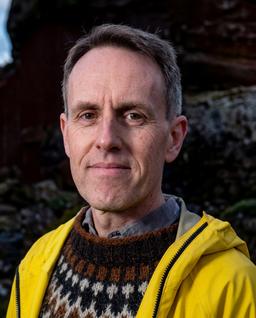
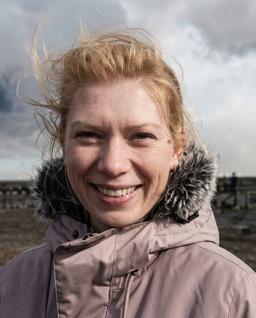
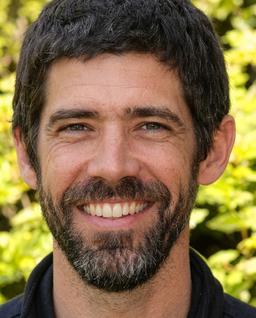
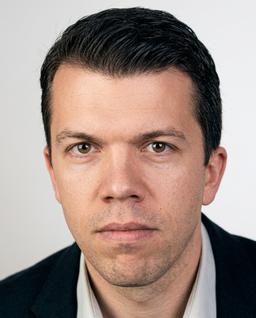
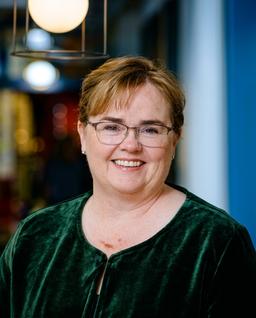
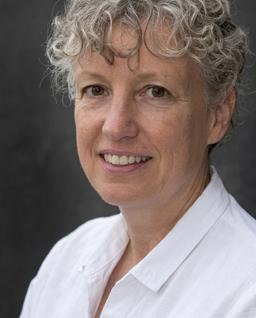
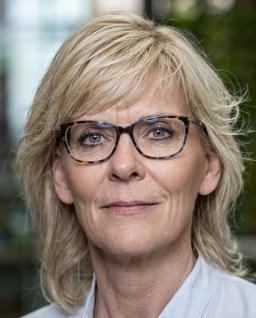
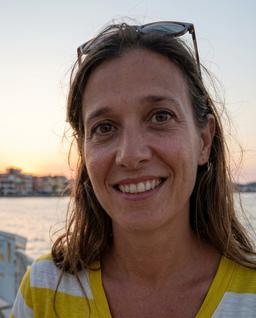
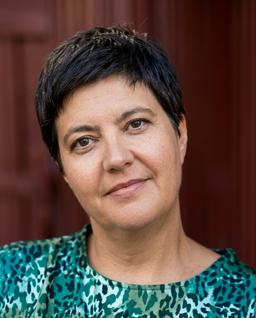
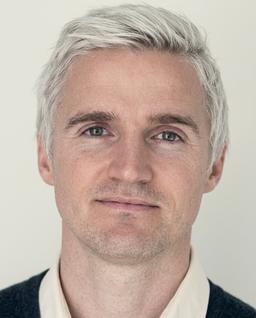
These are the expert instructors who will be teaching you throughout the course. With a wealth of knowledge and real-world experience, they're here to guide, inspire, and support you every step of the way. Get to know the people who will help you reach your learning goals and make the most of your journey.

1
Course
1
Course
1
Course
3
Courses

3
Courses

2
Courses
1
Course

1
Course

2
Courses
2
Courses
1
Course

1
Course
1
Course

1
Course
1
Course

1
Course

1
Course
1
Course
1
Course