Harvey Mudd College is a private liberal arts college located in Claremont, California, focused on science and engineering. Founded in 1955, it is part of the Claremont Colleges consortium. HMC offers undergraduate degrees in biology, chemistry, computer science, engineering, mathematics, physics, and interdisciplinary fields. The college is known for its rigorous academic programs, strong emphasis on the humanities and social sciences, and commitment to undergraduate research.
921
Total enrollment
13.4%
Undergraduate acceptance rate
9:1
Student-faculty ratio
Claremont Colleges consortium
WASC Senior College and University Commission
Accreditation Board for Engineering and Technology (ABET)
Harvey Mudd's Office of Career Services (OCS) provides comprehensive support to students throughout their academic and professional journey. Services include personalized career counseling, job and internship search assistance, networking opportunities with alumni, and various career development programs. OCS organizes well-attended career fairs connecting students with over 150 prospective employers annually. The office also offers programs such as networking workshops, mock interview training, and career information sessions featuring alumni and recruiters.
28%
Graduate or professional school placement
52.8%
Workforce placement
$117,500
Median starting salary (Class of 2024)
These are the expert instructors who will be teaching you throughout the course. With a wealth of knowledge and real-world experience, they’re here to guide, inspire, and support you every step of the way. Get to know the people who will help you reach your learning goals and make the most of your journey.
2 Courses
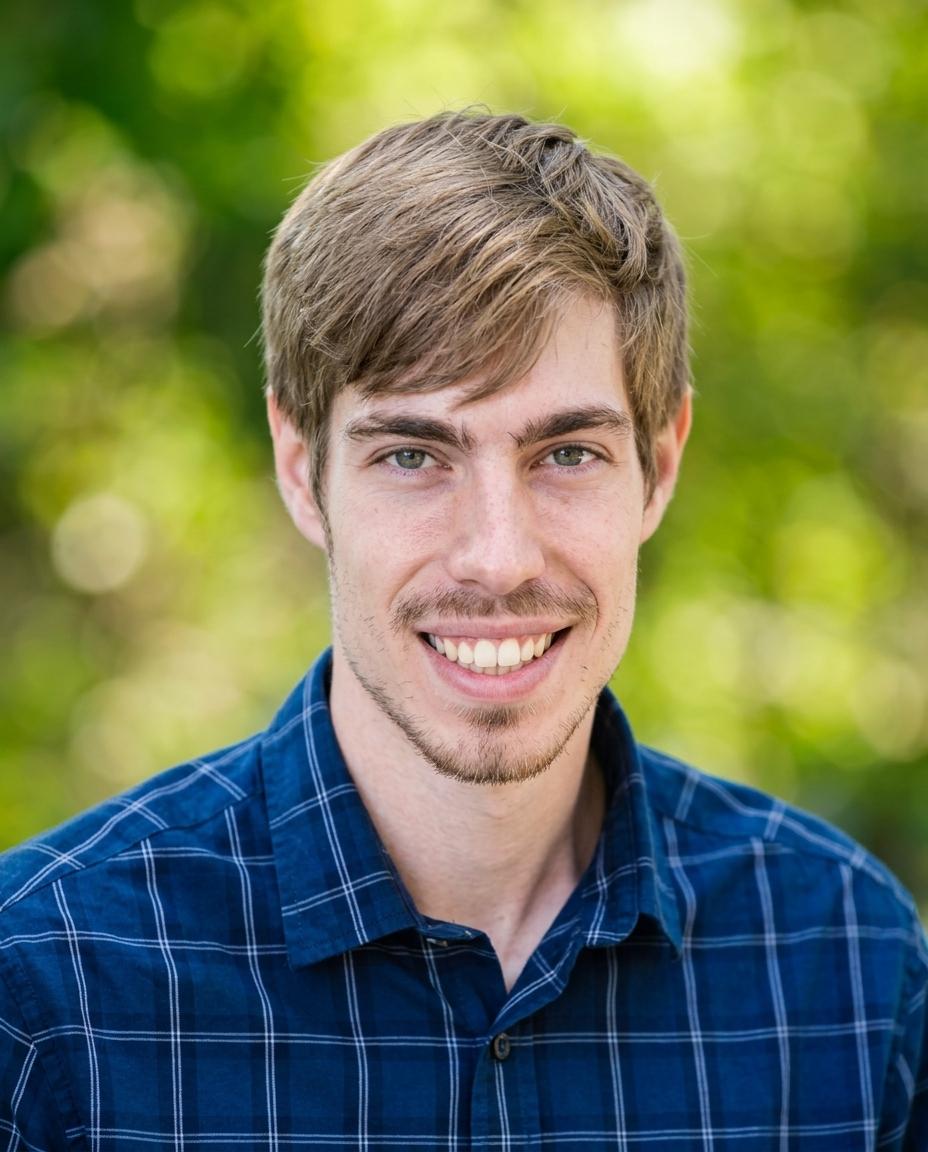
Innovative Engineering Professor Bridging Optics and Electronics at Harvey Mudd
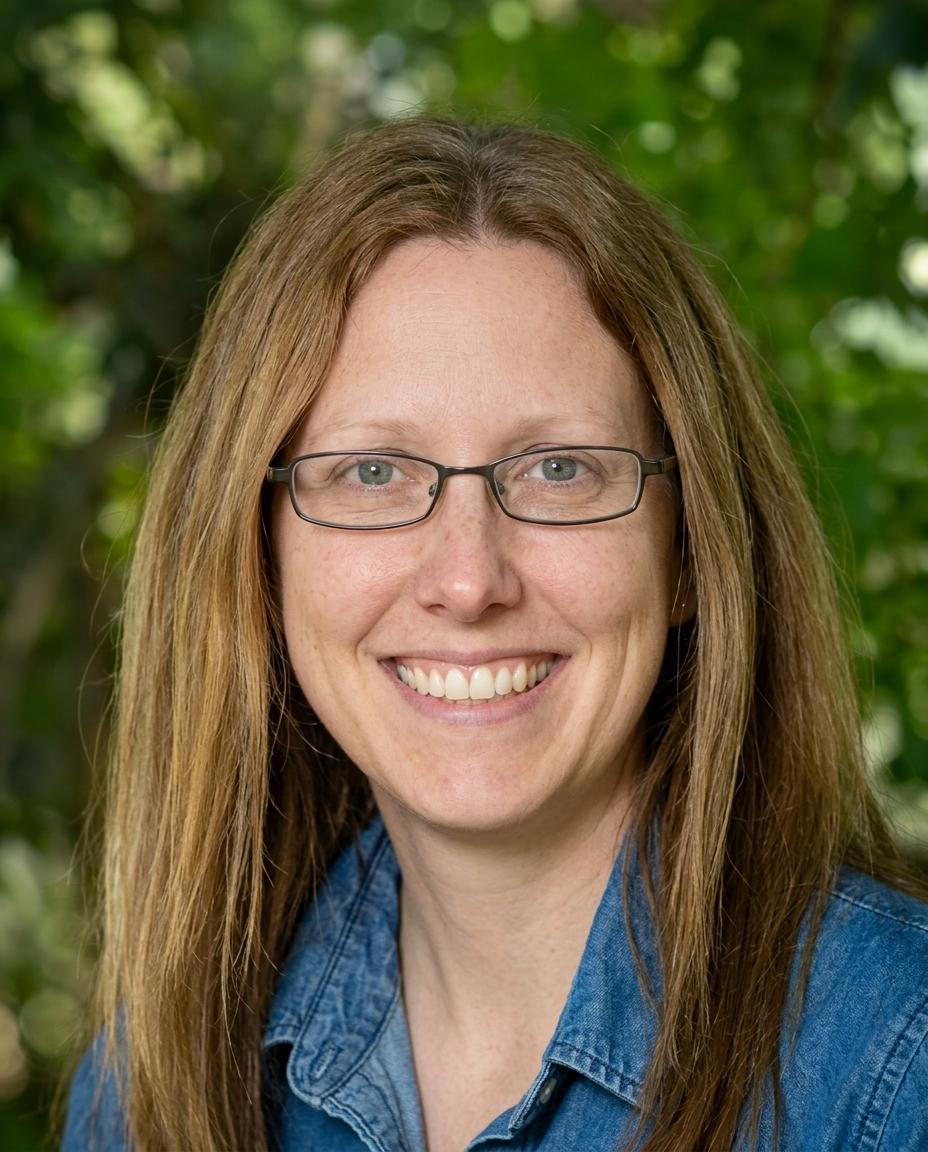
Joshua Brake is an Assistant Professor of Engineering at Harvey Mudd College, specializing in embedded systems, optics, and electrical engineering. He earned his Ph.D. and M.S. in Electrical Engineering from Caltech, following his M.S. and B.S. in Engineering from LeTourneau University. Brake's research focuses on developing new tools and techniques in biomedical optics to enhance tissue imaging. At Harvey Mudd, he teaches across the engineering curriculum, with a particular emphasis on digital electronics, embedded systems, and optics. Brake is passionate about helping students develop their technical skills alongside their communication abilities. His work in biophotonics aims to improve optical imaging of biological tissues, with potential applications in biomedical diagnostics and therapies. Outside of academia, Brake enjoys running, spending time with his family, and following sports. His journey from student to professor, including his experience as a Supplemental Instruction leader at LeTourneau, has shaped his teaching philosophy, emphasizing student-centered learning and practical application of engineering principles.

2 Courses
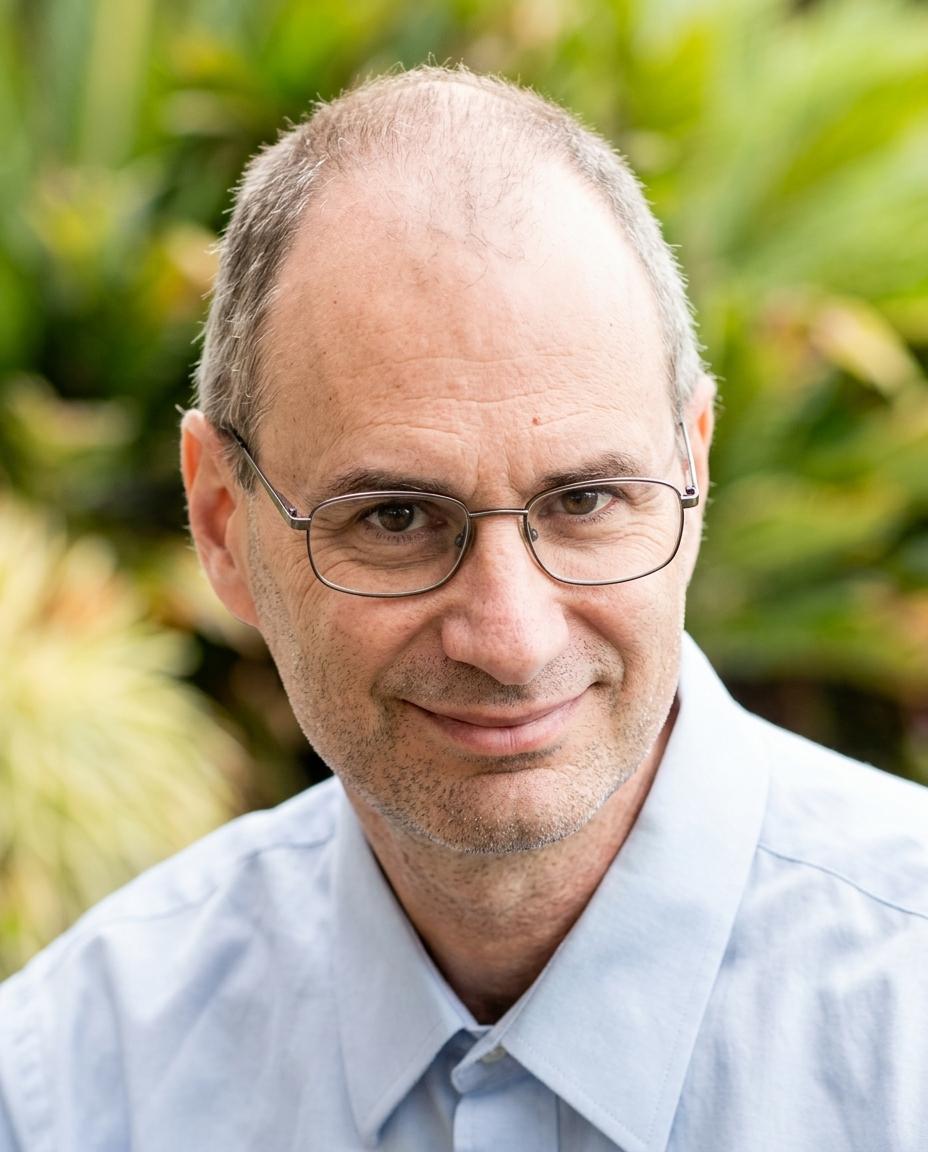
Renowned Engineering Professor and Textbook Author at Harvey Mudd College
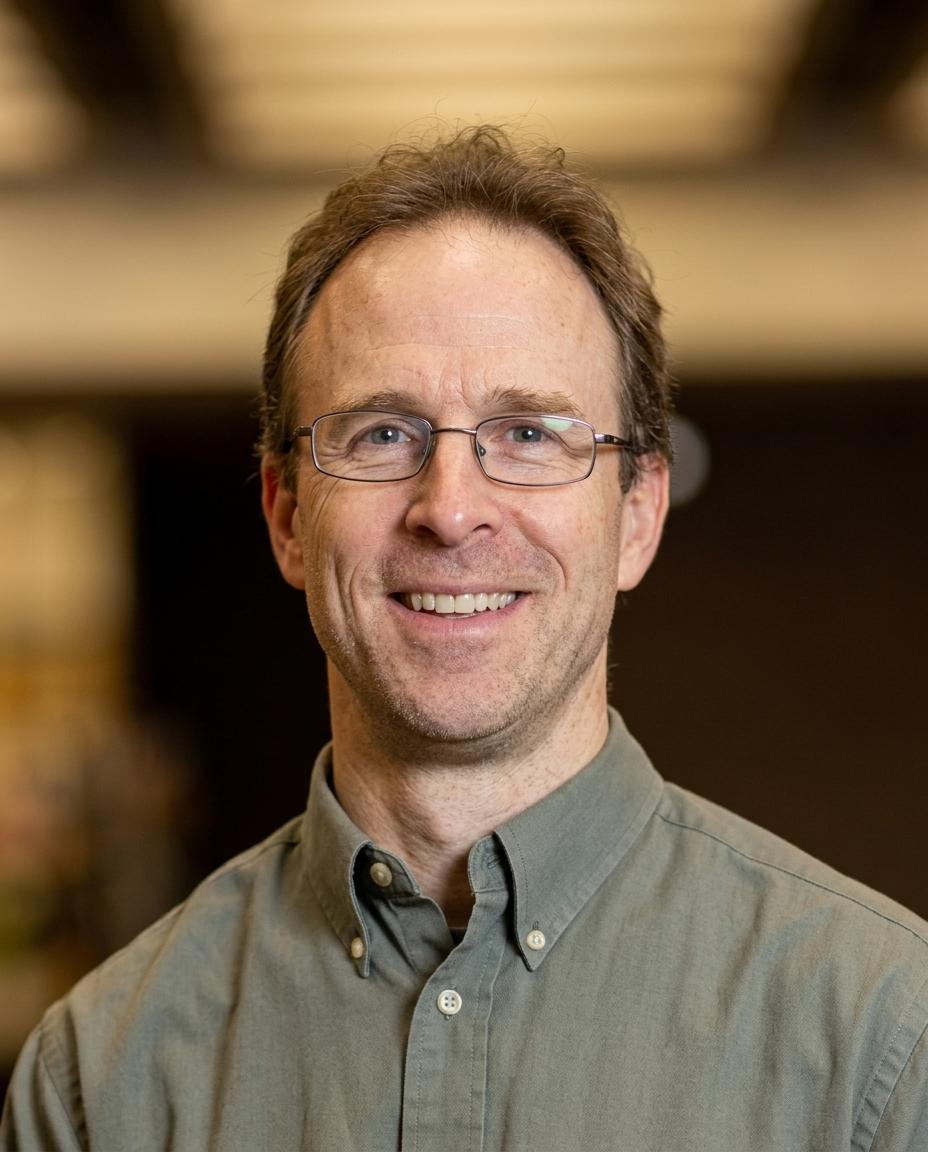
David Harris is the Harvey S. Mudd Professor of Engineering Design and Associate Engineering Department Chair at Harvey Mudd College. With a Ph.D. in Electrical Engineering from Stanford University and S.B. degrees from MIT, Harris brings extensive industry experience to his academic role, having worked as a processor designer at Intel, Broadcom, Hewlett-Packard, and other leading tech companies. He is widely recognized for his expertise in microprocessors and integrated circuits. Harris has authored four influential engineering textbooks, including the widely-used "Digital Design and Computer Architecture." At Harvey Mudd, he teaches courses related to digital systems and computer architecture, including the popular E85 course on Digital Design and Computer Architecture, which he recently adapted into a Massive Open Online Course (MOOC) offered through EdX. Harris also leads innovative projects like the HMC Aero Lab, where students build experimental aircraft, demonstrating his commitment to hands-on, practical engineering education. His research interests span CMOS VLSI design, computer arithmetic, and experimental aviation, reflecting his diverse contributions to the field of engineering.