Fundação para a Ciência e a Tecnologia (FCT) is the Portuguese national funding agency that supports science, technology and innovation in all scientific domains. It operates under the responsibility of the Ministry for Science, Technology and Higher Education. Founded in 1997, FCT succeeded the Junta Nacional de Investigação Científica e Tecnológica (JNICT). FCT's mission is to continuously promote the advancement of knowledge in science and technology in Portugal, attain the highest international standards in quality and competitiveness, and encourage its dissemination and contribution to society and economic growth.
333
Research units funded
22000
Researchers supported
Ministry of Science, Technology and Higher Education
Government of Portugal
While FCT doesn't provide traditional career services, its funding and support significantly impact the career development of researchers in Portugal. By offering fellowships, studentships, and research contracts, FCT plays a crucial role in shaping scientific careers. The foundation's support for research projects and centers creates employment opportunities for scientists across various disciplines.
These are the expert instructors who will be teaching you throughout the course. With a wealth of knowledge and real-world experience, they’re here to guide, inspire, and support you every step of the way. Get to know the people who will help you reach your learning goals and make the most of your journey.

2 Courses
Art Educator Pioneering Participatory Arts for Social Change and Eco-Citizenship
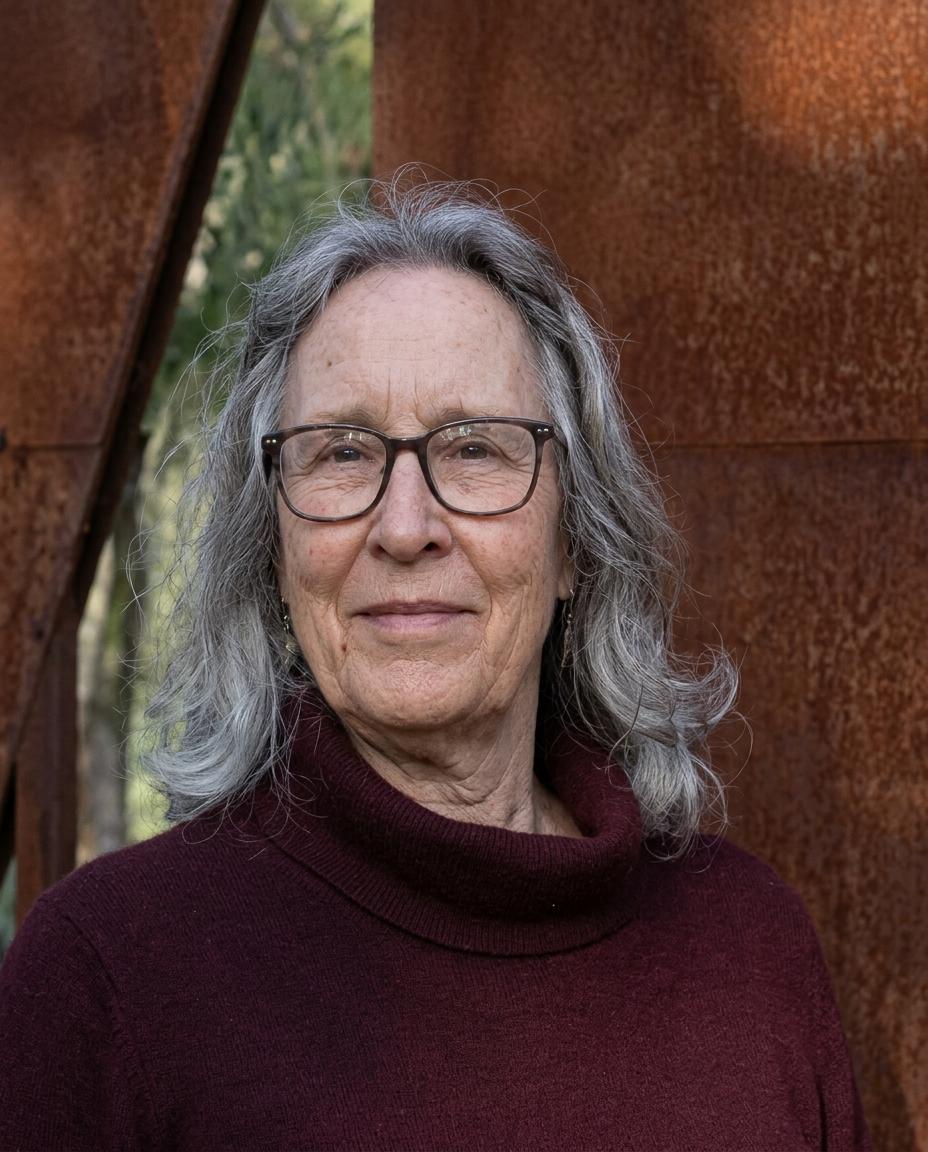
Teresa Eça, a visual artist and secondary school visual arts teacher, is a prominent figure in art education and research, currently serving as the President of APECV (Associação de Professores de Expressão e Comunicação Visual) since 2008. With a PhD from the University of Surrey-Roehampton focused on visual arts assessment, Eça coordinates the Research Group in Arts, Community and Education (GriArCE) and collaborates with the Center for Research in Arts and Communication at the University of Algarve. Her diverse research interests encompass participatory action research, art education, artivism, participatory art, transcultural projects, and eco-citizenship. Eça's contributions to the field include numerous publications, co-editing the journal Invisibilidades, and serving as President of the International Society for Education Through Art (InSEA) from 2014 to 2019. Through her multifaceted career, Eça champions innovative approaches to art education that promote social engagement, cultural exchange, and environmental awareness, positioning art as a powerful tool for community development and social change.

1 Course
Art Educator Championing Community Engagement and Sustainability through Creative Practices
Ângela Saldanha, Vice-President of APECV (Associação de Professores de Expressão e Comunicação Visual) in Portugal, is a prominent figure in art education and research, focusing on the intersection of contemporary art, community engagement, and sustainability. In her role at APECV, Saldanha coordinates research initiatives in art and community engagement, as well as art education, with her interests spanning contemporary art for sustainability, art and community, art education, and diversity. Her leadership extends to international collaborations, as evidenced by her coordination of APECV's team in the Horizon 2020 EU-funded project AMASS (Acting on the Margins: Arts as Social Sculpture). Through her multifaceted work, Saldanha advocates for innovative approaches to art education that promote community involvement, environmental awareness, and inclusive practices. Her efforts contribute significantly to the use of art as a catalyst for social change and sustainable development, positioning her as a key influencer in the evolving landscape of art education and community-based artistic practices.