Founded in 1975 in Seattle, Fred Hutch is a world-leading cancer research and treatment center that combines cutting-edge research with comprehensive patient care. As an NCI-designated cancer center since 1973, it is renowned for pioneering work in bone marrow transplantation, immunotherapy, and cancer research.
8
Clinical care sites
3
Faculty Nobel laureates
5 states
Network affiliations
National Cancer Institute Designation
University of Washington Medicine Partnership
Seattle Children's Partnership
National Academy of Sciences Members
American Association for Cancer Research Academy
Fred Hutch provides comprehensive career development support through multiple channels. The Office of Scientific Career Development assists graduate students, postdoctoral fellows, and medical fellows in achieving their career goals. Through the Student/Postdoc Advisory Committee and various educational pathways, the institution supports career advancement from high school through professional levels. The center's commitment to diversity is demonstrated through focused programs for underrepresented communities in scientific research.
77
High school students served
54
Undergraduate students
15,000
Teacher training reach
12-22
Paid vacation days
These are the expert instructors who will be teaching you throughout the course. With a wealth of knowledge and real-world experience, they’re here to guide, inspire, and support you every step of the way. Get to know the people who will help you reach your learning goals and make the most of your journey.
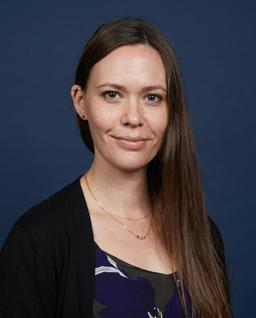
Pioneering Data Science Education and Computational Biology Innovation
Carrie Wright, PhD, serves as a Senior Staff Scientist at Fred Hutchinson Cancer Center and holds an affiliated faculty position at Johns Hopkins Bloomberg School of Public Health, where she focuses on making data science and computational biology more accessible to diverse audiences. Her expertise spans multiple domains, teaching courses including "AI for Decision Makers," "AI for Efficient Programming," "Avoiding AI Harm," "Best Practices for Ethical Data Handling," "Data Management and Sharing for NIH Proposals," and "Write Smarter with Overleaf and LaTeX." Her distinguished career includes significant contributions as a former Assistant Scientist in Biostatistics at Johns Hopkins and postdoctoral research at the Lieber Institute for Brain Development, where she studied genetic mechanisms in psychiatric disease. As a member of the Open Case Studies team, the Genomic Data Science Community Network, and chair of the ITCR OPEN Group, she demonstrates her commitment to advancing science, medicine, and social justice through accessible data science education. Her innovative work includes co-founding the LIBD rstats club and teaching at various institutions, including the Baltimore Underground Science Space and Johns Hopkins Center for Talented Youth.
Bridging Data Science, Ecology, and Genomics Research
Ava Hoffman, PhD, serves as a Senior Staff Scientist at Fred Hutchinson Cancer Center, where she leads groundbreaking initiatives in making genomics research more accessible through cloud-based resources. Her unique expertise spans both ecological and data sciences, with particular focus on population genetics and statistical modeling in natural environments. As an instructor for multiple courses including "AI for Decision Makers," "AI for Efficient Programming," "Data Management and Sharing for NIH Proposals," and "Exploring AI Possibilities," she brings a practical approach to complex topics. Her research interests include urban plant evolution and its connection to public health outcomes, particularly studying how plants adapt to city environments. Beyond her academic work, she serves on the board of Slow Food Baltimore, demonstrating her commitment to sustainable practices. Her work with the AnVIL Project and the Genomic Data Science Community Network (GDSCN) showcases her dedication to democratizing genomics research. She combines her technical expertise with practical applications, engaging in activities from coding to climbing, while maintaining a DIY approach to problem-solving.