EIT Food is a pan-European consortium that focuses on entrepreneurship and innovation in the food sector. It is part of the European Institute of Innovation and Technology (EIT). EIT Food aims to empower innovators, entrepreneurs, and students to develop world-class solutions to global food challenges, creating a healthier and more sustainable food system.
40000+
Enrolled learners
226000+
MOOC participants
50+
Number of courses
European Institute of Innovation and Technology (EIT)
Description: While not a traditional university, EIT Food provides significant career development opportunities through its various programs. The organization offers internships, professional development courses, and networking opportunities with industry leaders. EIT Food's Professional Development Framework sets out eight core competences for innovators and entrepreneurs in the food system, helping guide career development. The RIS Fellowships program, in particular, has shown success in enhancing participants' career prospects in the agrifood sector.
100%
Internship recommendation rate
These are the expert instructors who will be teaching you throughout the course. With a wealth of knowledge and real-world experience, they’re here to guide, inspire, and support you every step of the way. Get to know the people who will help you reach your learning goals and make the most of your journey.

1 Course
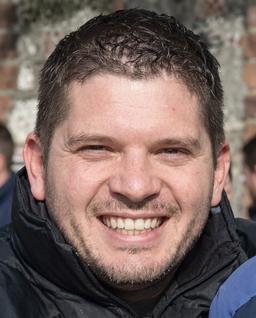
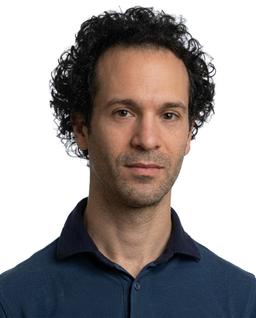
Neuroscience Researcher Specializing in Eating Disorders and Neurostimulation
Alessandro Cicerale is a research fellow and lecturer at the University of Turin, Italy, whose work focuses on the intersection of neuroscience, eating disorders, and therapeutic neurostimulation. His research activities primarily involve using advanced neuroimaging techniques to study the neural mechanisms underlying eating disorders, aiming to better understand brain changes associated with conditions like anorexia nervosa, bulimia nervosa, and binge eating disorder. Additionally, Cicerale explores the potential of neurostimulation techniques, such as transcranial magnetic stimulation (TMS) or transcranial direct current stimulation (tDCS), as treatment options for these disorders. As a lecturer, he likely teaches courses related to neuroscience, neuroimaging techniques, and the neurobiology of eating disorders, sharing cutting-edge research findings with students and training the next generation of specialists. Through his combined focus on neuroimaging and neurostimulation, Cicerale aims to advance our understanding of the neural basis of eating disorders and develop novel, brain-based interventions for these challenging conditions

1 Course
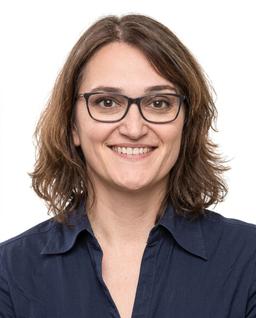
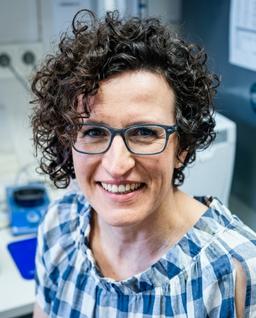
Reproductive Biology Researcher Exploring Molecular Mechanisms of Embryo-Maternal Interactions
Prof. Monika M. Kaczmarek, a professor at the Institute of Animal Reproduction and Food Research of the Polish Academy of Sciences, specializes in the molecular aspects of reproduction, with a particular focus on diet-mediated programming. Her research explores the intricate mechanisms of embryo-maternal interactions across various species, from fruit flies to humans. Kaczmarek's current work, supported by an OPUS grant, investigates the role of leptin in intergenerational programming of reproductive performance. With a background in biotechnology and a career spanning from her Ph.D. in 2004 to full professorship in 2018, Kaczmarek leads the Molecular Biology Laboratory at her institute and has held positions at other prestigious institutions. Her research, published in renowned journals and recognized by scientific foundations, bridges fundamental molecular biology with practical applications in animal and human reproduction. As an educator and science communicator, Kaczmarek engages with both academic and public audiences, sharing her expertise through courses, TEDx talks, and children's science programs, thus contributing significantly to the field of reproductive biology and its broader understanding.