Colgate University is a private liberal arts college located in Hamilton, New York. Founded in 1819, it is known for its intellectual rigor, world-class professors, and stunning campus. Colgate offers 56 undergraduate majors leading to a Bachelor of Arts degree and has a small graduate program in Master of Arts in Teaching. The university is committed to providing a comprehensive liberal arts education and preparing students for success after graduation.
22
U.S. News & World Report National Liberal Arts Colleges Ranking
3274
Total enrollment
14%
Undergraduate acceptance rate
Ivy League Membership
Little Ivies
Patriot League
ECAC Hockey
Colgate University provides comprehensive career services through its Career Services office. The Four-Year Career Development Plan is designed to engage every student in self-assessment, career exploration, and skill development. Career Services offers personalized career counseling, internship and job search assistance, networking opportunities with alumni, and various career development programs. The office also organizes career fairs, on-campus recruiting events, and provides resources for graduate school applications and fellowships.
100%
Demonstrated need met with financial aid
42%
Percentage of class receiving financial aid
98%
Scholar-athlete graduation rate
These are the expert instructors who will be teaching you throughout the course. With a wealth of knowledge and real-world experience, they’re here to guide, inspire, and support you every step of the way. Get to know the people who will help you reach your learning goals and make the most of your journey.
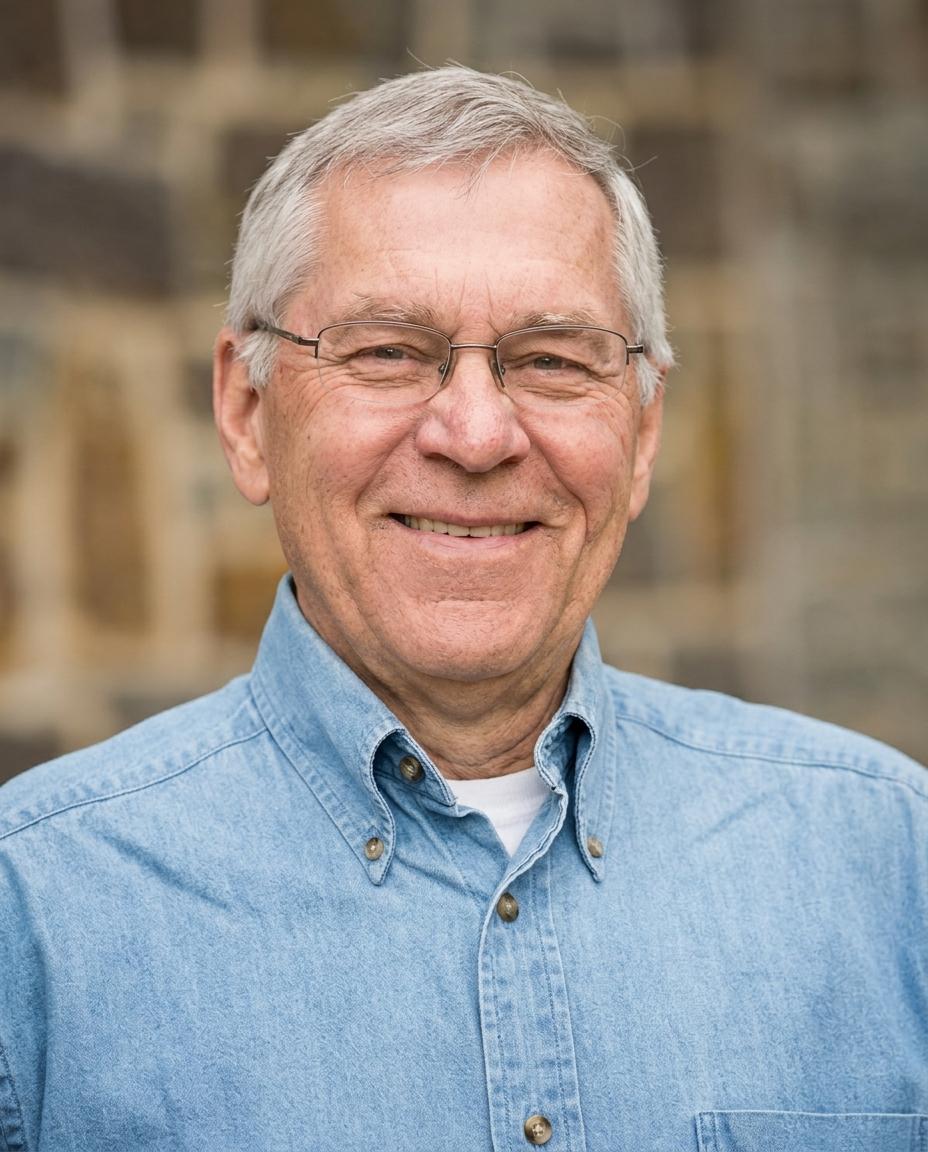
Distinguished Classics Scholar and Professor at Colgate University
Robert Garland is a distinguished scholar and educator in the field of Classics, serving as the Roy D. and Margaret B. Wooster Professor of the Classics at Colgate University since 1986. Born in Britain, he earned his B.A. from Manchester University, M.A. from McMaster University, and Ph.D. from University College London. Garland's academic career is marked by prestigious appointments, including a Fulbright Scholarship, fellowships at the Center for Hellenic Studies and the Institute for Advanced Study, and a distinguished professorship at Bristol University. As a prolific historian of ancient Greece and Rome, he has authored numerous books covering diverse aspects of classical civilization, from death rituals to daily life, and from mythology to historical figures. His recent work, "Wandering Greeks," explores refugee experiences in the ancient world. Garland has also contributed to public education through lecture series for the Great Courses and appearances on the History Channel. His approach to classical studies emphasizes the ongoing dialogue between antiquity and modernity, and he is committed to making the study of the ancient world accessible and relevant to a wider audience. This commitment is exemplified in his latest work, "Greeks at War," which aims to bridge scholarly research with public interest in classical history.
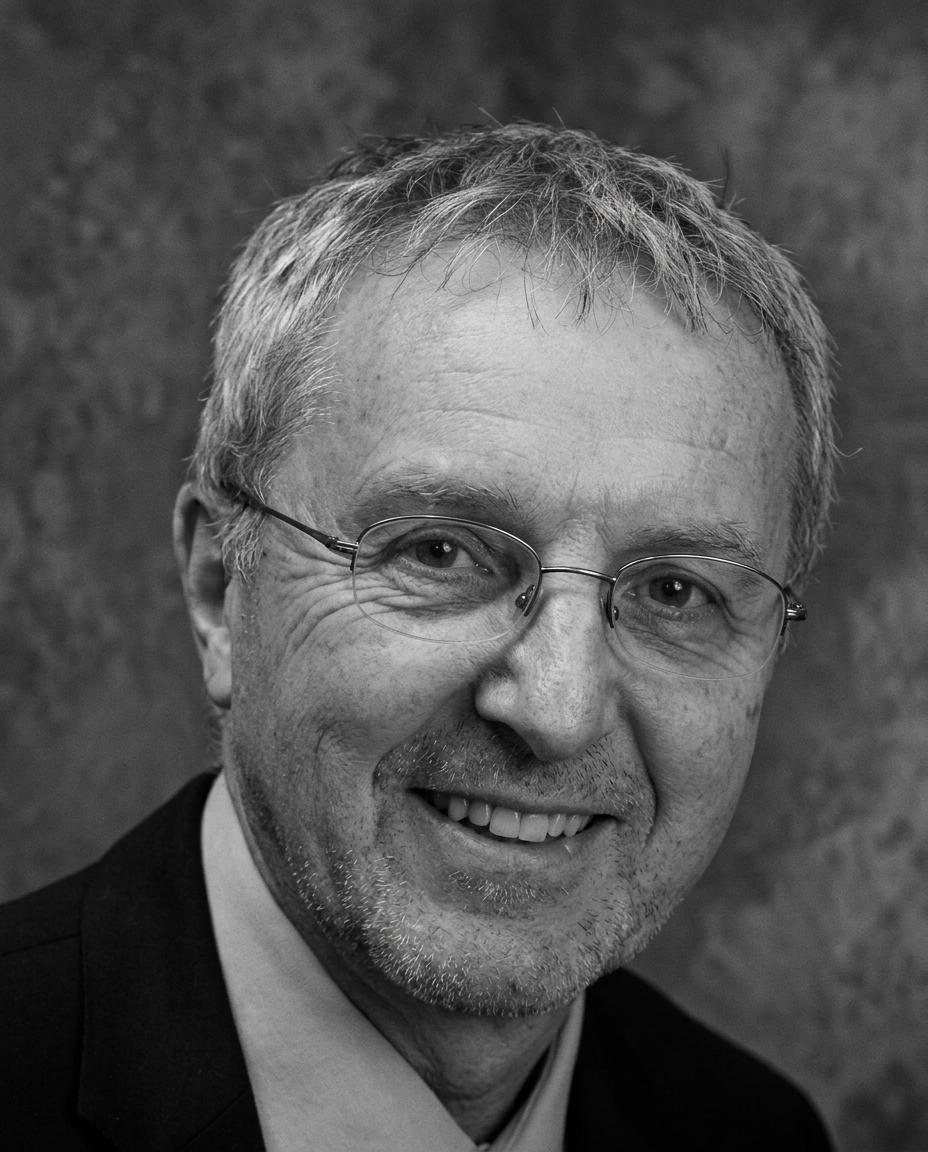
Expert in Behavioral Neuroscience and Psychopharmacology at Colgate University
F. Scott Kraly, the Charles A. Dana Professor of Psychology and Neuroscience at Colgate University, is a distinguished researcher and educator in behavioral neuroscience and psychopharmacology. With a B.A. from the University of Notre Dame and a Ph.D. from Johns Hopkins University, followed by post-doctoral research at Cornell University Medical College, Kraly has built an impressive career spanning over four decades. His research focuses on the neuroendocrine control of ingestive behavior, particularly the physiological mechanisms linking eating and drinking. Kraly has published extensively in prestigious journals like Nature and American Journal of Physiology, and authored two influential books: "The Unwell Brain" and "Psychopharmacology Problem Solving." At Colgate, he has mentored numerous undergraduates, with over 25 students co-authoring published research papers. Kraly's work extends beyond academia through his creation of a MOOC on psychiatric medication use and his contributions to public understanding of psychopharmacology and mental health. As a first-generation college graduate, he also serves as a role model for students from similar backgrounds.